

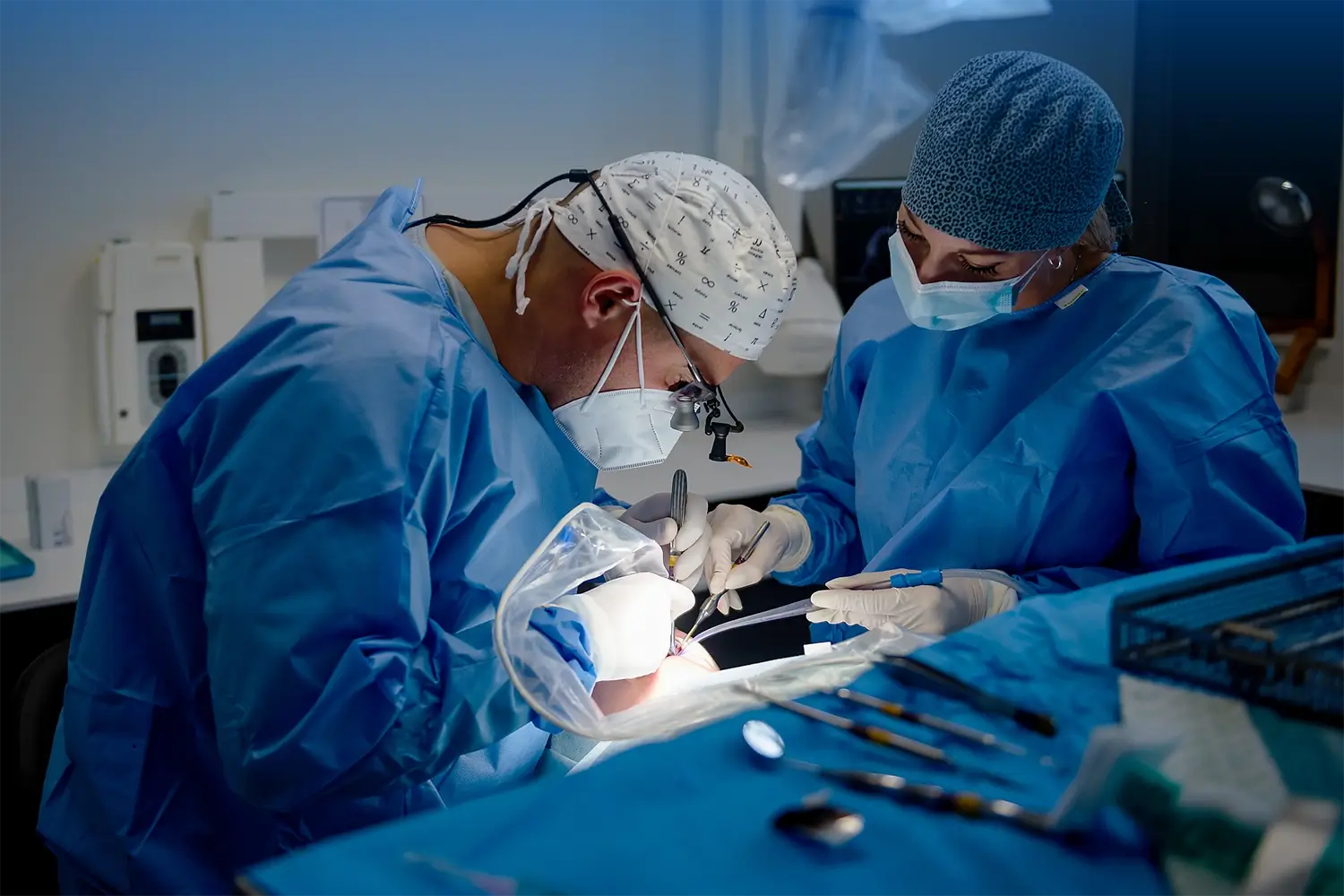

A tooth extraction with an immediate implant. Thank you to Mr Sami El Masri for his professionalism and for really listening to his patients. Clear explanations that put you at ease.
Martine Rossi · Google review
Specialist Dental Care
Specialist dental care focused on implantology, advanced rehabilitation and aesthetic dentistry, guided by precision and individual attention.
Pilates & Reformer
A considered approach to movement, built around individual needs, mindful practice and personal progression.
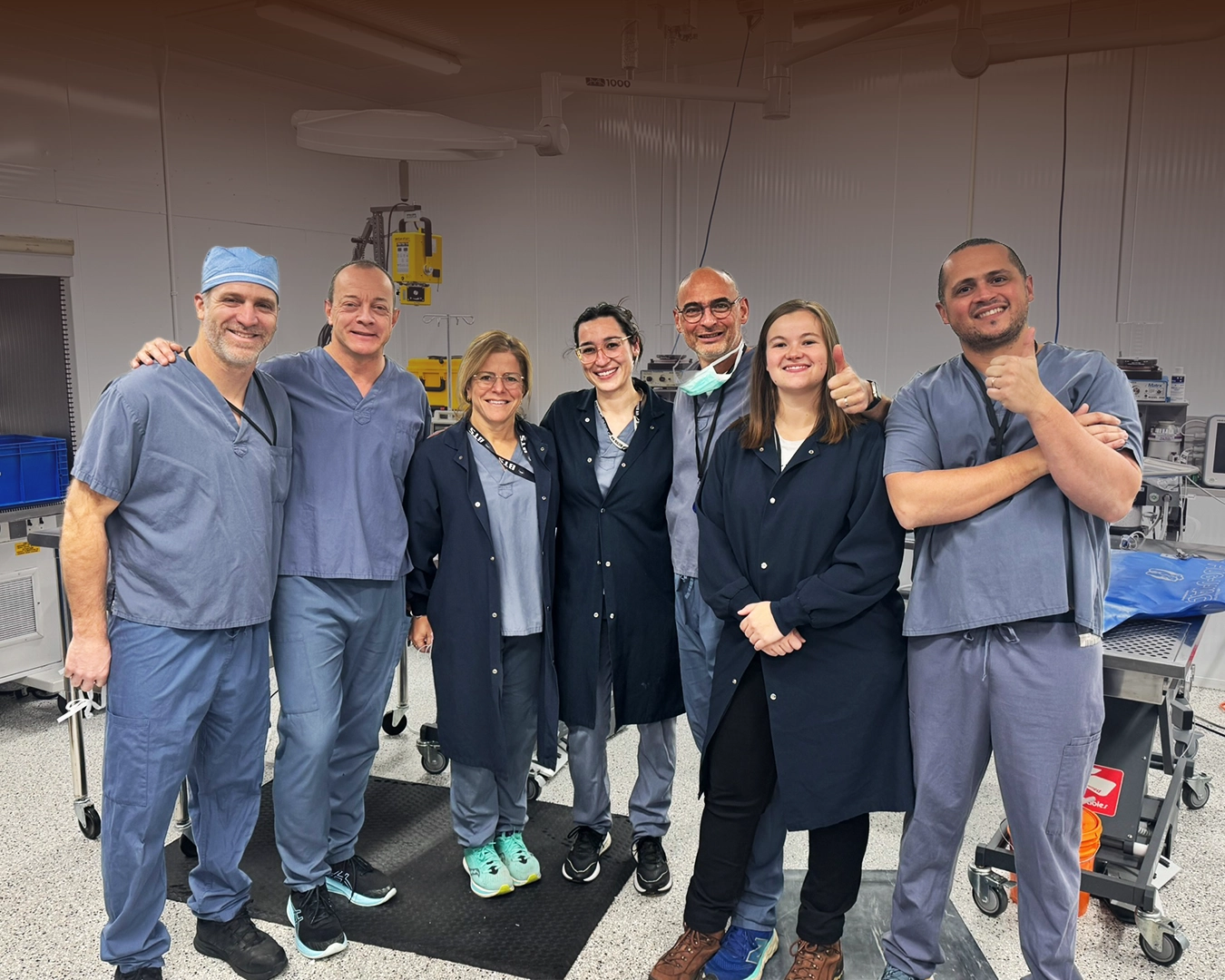
Two professionals. One shared vision.
When most or all teeth in an upper or lower jaw are missing, severely damaged or no longer predictable to maintain, replacing individual teeth may not be enough. Full-arch rehabilitation offers a way to restore an entire dental arch through a treatment plan designed around your oral health, anatomy and functional needs.
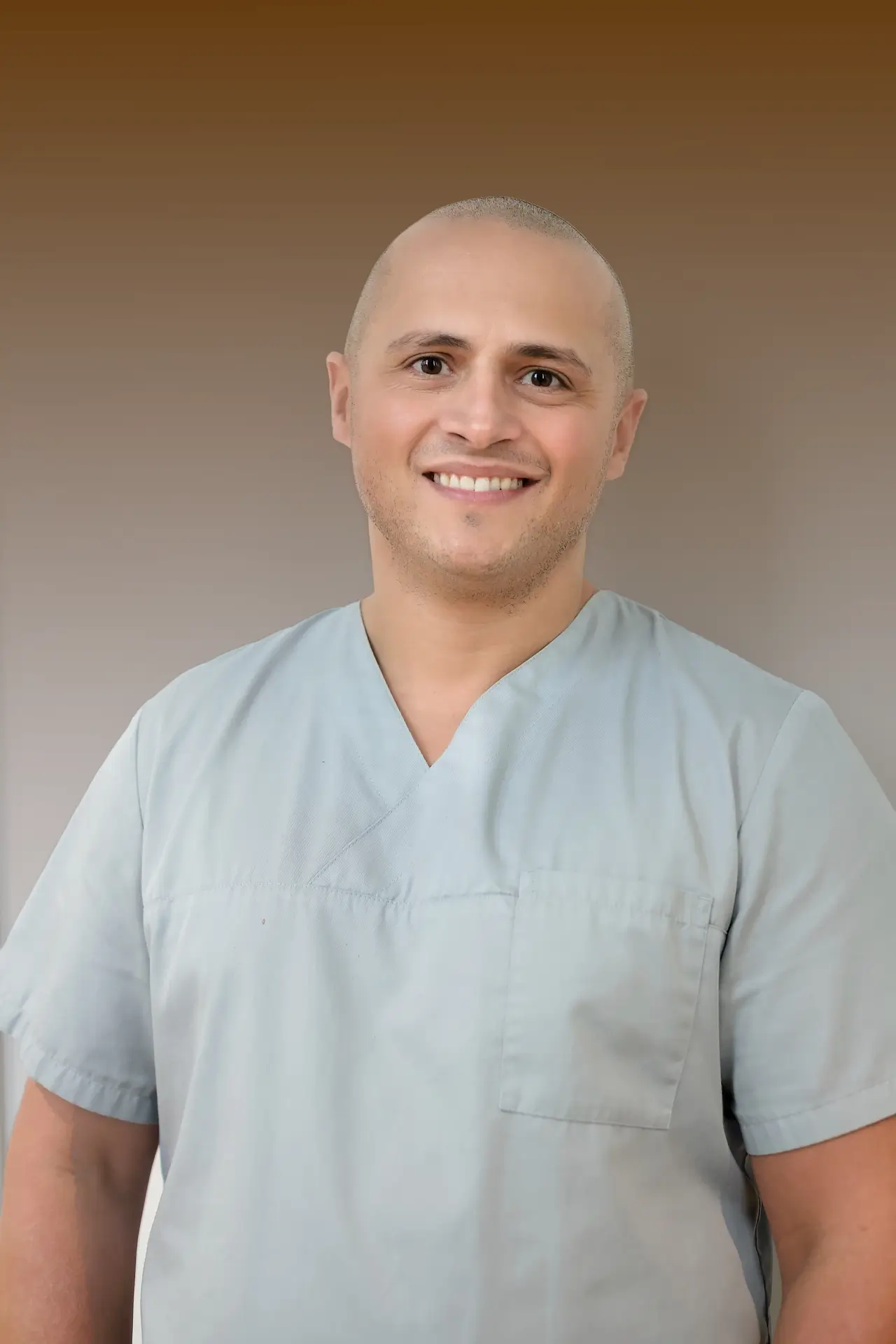
At his practice in Louvain-la-Neuve, Sami combines over 20 years of dental experience with an academic background in implantology and prosthetic rehabilitation. Each case begins with a detailed assessment to determine which approach is appropriate, how the replacement teeth should function and how the treatment can be planned around your individual circumstances.
The aim is not simply to place implants. It is to develop a coherent plan for restoring your teeth, your bite and the everyday function of your mouth.
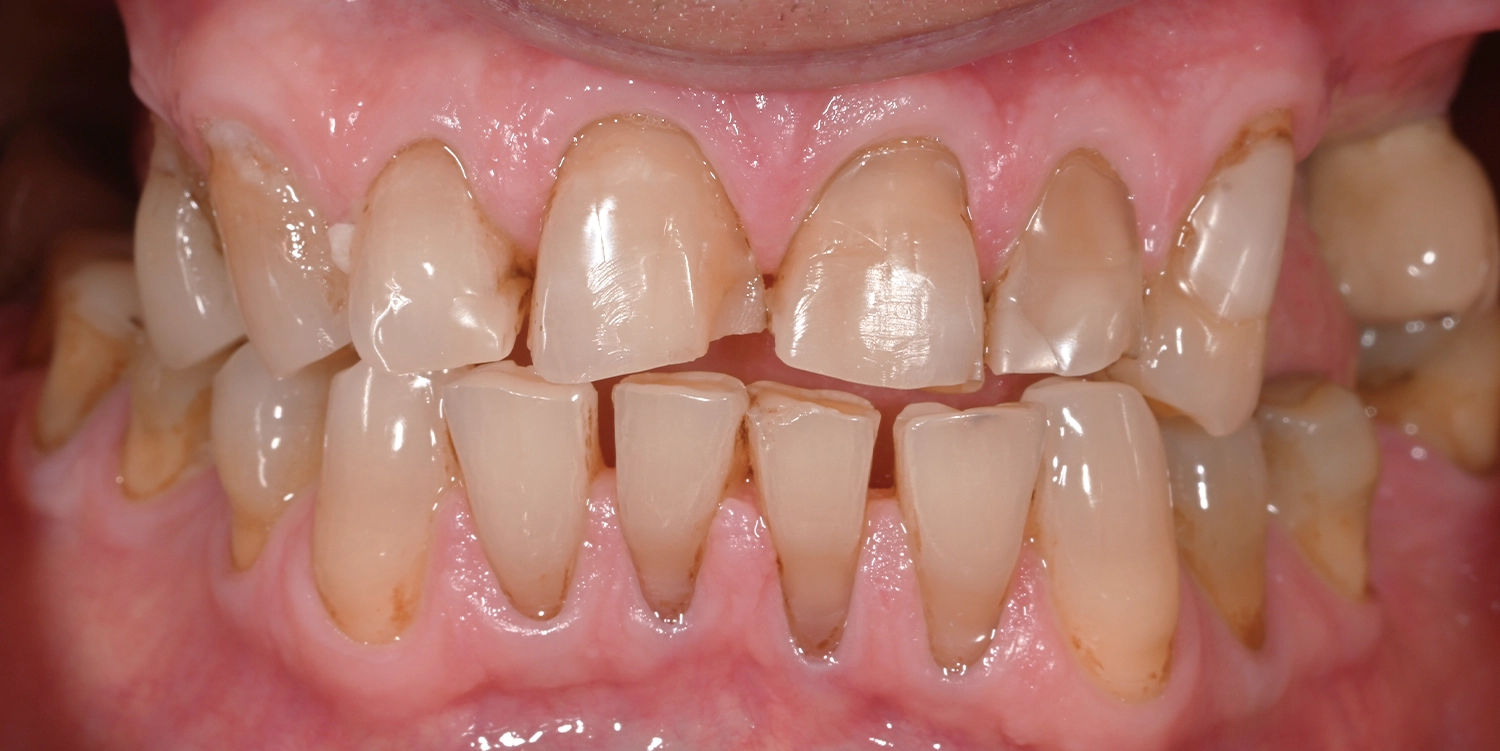
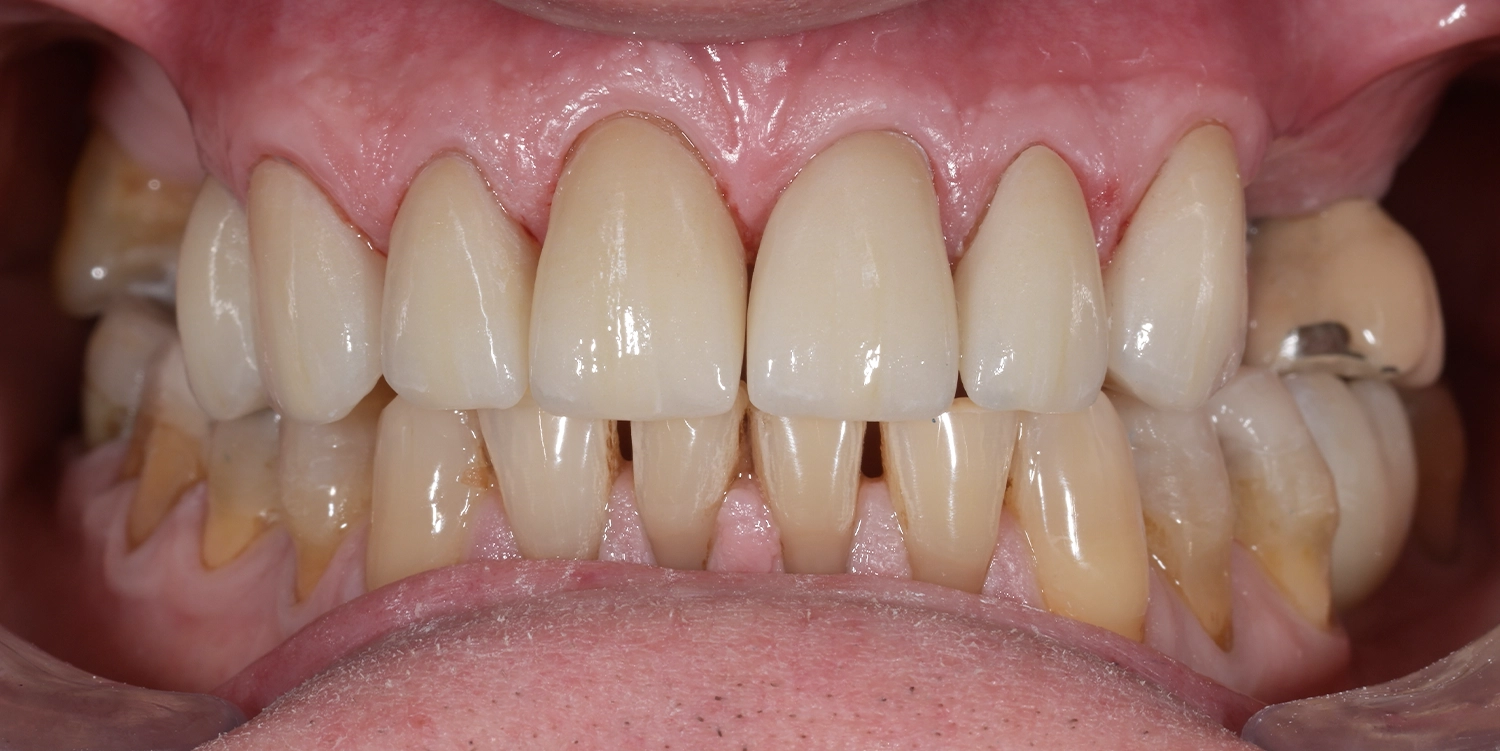
A tooth extraction with an immediate implant. Thank you to Mr Sami El Masri for his professionalism and for really listening to his patients. Clear explanations that put you at ease.
Martine Rossi · Google review
I was treated by Mr Sami El Masri (implants and bone reconstruction). I thank him for his professionalism and for listening to his patients. In short, I felt completely confident in his work.
Graas Benoit · Google review
A huge thank you to the team: Sami El Masri, Mélo…, Émile and the trainees. I expected to be in agony when I woke up, and there was no pain at all! Simply an exceptional team.
Sylvie Manshoven · Google review
Losing most or all teeth in a dental arch can affect much more than the appearance of your smile. It may make chewing difficult, change the way your teeth meet and limit your choice of foods. When several teeth are severely compromised, repeatedly treating individual teeth may also fail to provide a predictable long-term solution.
Full-arch rehabilitation considers the entire dental arch as one coordinated restorative project. Rather than planning each replacement tooth in isolation, the clinician evaluates how the teeth should work together, how the bite should be supported and how the final restoration can be designed around the available anatomy.
Depending on your needs, treatment may help to:
Plan replacement teeth around a balanced bite and the demands of everyday eating.
Replace multiple missing teeth within one coordinated treatment plan.
Consider tooth shape, position, proportions and the relationship between the teeth and surrounding facial features.
In suitable cases, implant-supported restorations can offer an alternative to conventional removable dentures.
Bring implant placement, any necessary preparatory procedures and the final prosthetic design into one considered plan.
Full-arch rehabilitation is not a single technique suitable for everyone. The number and position of implants, the type of restoration and whether additional procedures are needed depend on your individual clinical assessment.
Rehabilitating an entire dental arch requires careful coordination between implant placement and the design of the replacement teeth. Decisions made during planning can influence how the final restoration fits, how forces are distributed and how the result can be maintained over time.
Sami approaches full-arch cases with attention to both the surgical and restorative aspects of treatment. The objective is to understand the complete situation before recommending a course of action, rather than starting with a predetermined technique.
The final teeth are an essential part of the treatment plan, not an afterthought. Their position, shape, function and relationship with the bite help inform the planning of implant placement.
The assessment considers the condition of the remaining teeth, the supporting tissues, the bite and the overall restorative requirements. This helps establish whether a full-arch approach is appropriate and what it needs to address.
Bone availability, anatomical structures and the condition of the surrounding tissues influence where implants may be placed and whether additional procedures should be considered.
X-Guide dynamic navigation can provide real-time visual guidance during implant placement. Where suitable, it may support the execution of a digitally planned procedure. Its use depends on the case and the clinician's assessment.
There is no single implant configuration or prosthetic design that suits every patient. The proposed approach should reflect your anatomy, clinical needs, expectations and the practical requirements of maintaining the final restoration.
Some patients may need additional procedures to address insufficient bone or soft tissue. These requirements are assessed before the treatment plan is finalised.
Temporary and definitive restorations serve different purposes. Your clinician will explain which option is appropriate at each stage and whether an early temporary restoration is clinically possible in your case.
You should understand the main stages of treatment, what each stage involves and what needs to happen before moving forward. The plan is discussed with you before treatment begins.
A full-arch restoration requires ongoing care. The design, cleaning requirements and follow-up arrangements should be considered from the outset to help you maintain the restoration and monitor the surrounding tissues.
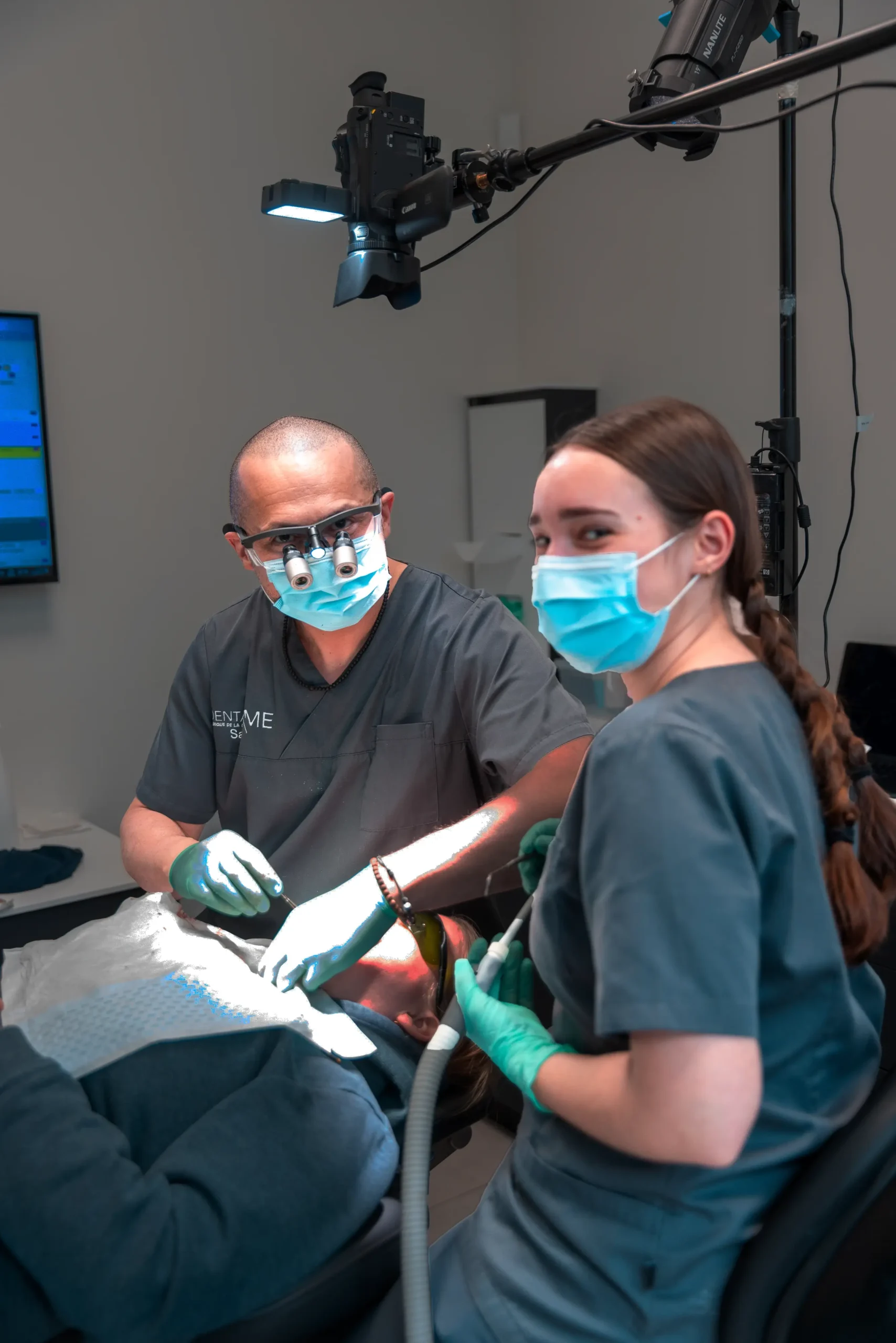
Full-arch rehabilitation may be considered for patients who:
Having missing teeth or wearing dentures does not automatically mean that implant-supported full-arch treatment is the right option. Bone availability, gum health, medical history, smoking, oral hygiene and other clinical factors can influence suitability.
For some patients, preparatory treatment may be needed before implants can be placed. For others, an alternative restorative approach may be more appropriate. The purpose of the initial consultation is to understand your situation and explain the available options.
The exact sequence depends on the condition of your teeth and supporting tissues, the proposed restoration and whether additional procedures are required. In general, treatment can be understood in three main stages.
The first step is to establish what your mouth needs and what can be achieved predictably.
Sami assesses the condition of your existing teeth, gums, bite and supporting bone. Relevant imaging and digital planning may be used to evaluate the anatomy and plan implant positions. The design of the intended replacement teeth is also considered at this stage.
If teeth need to be removed, bone or soft tissue procedures may be required, or a different type of restoration may be more appropriate, these considerations form part of the discussion.
Before proceeding, you should have a clear understanding of the recommended approach, the main treatment stages, the expected timeline and the associated costs.
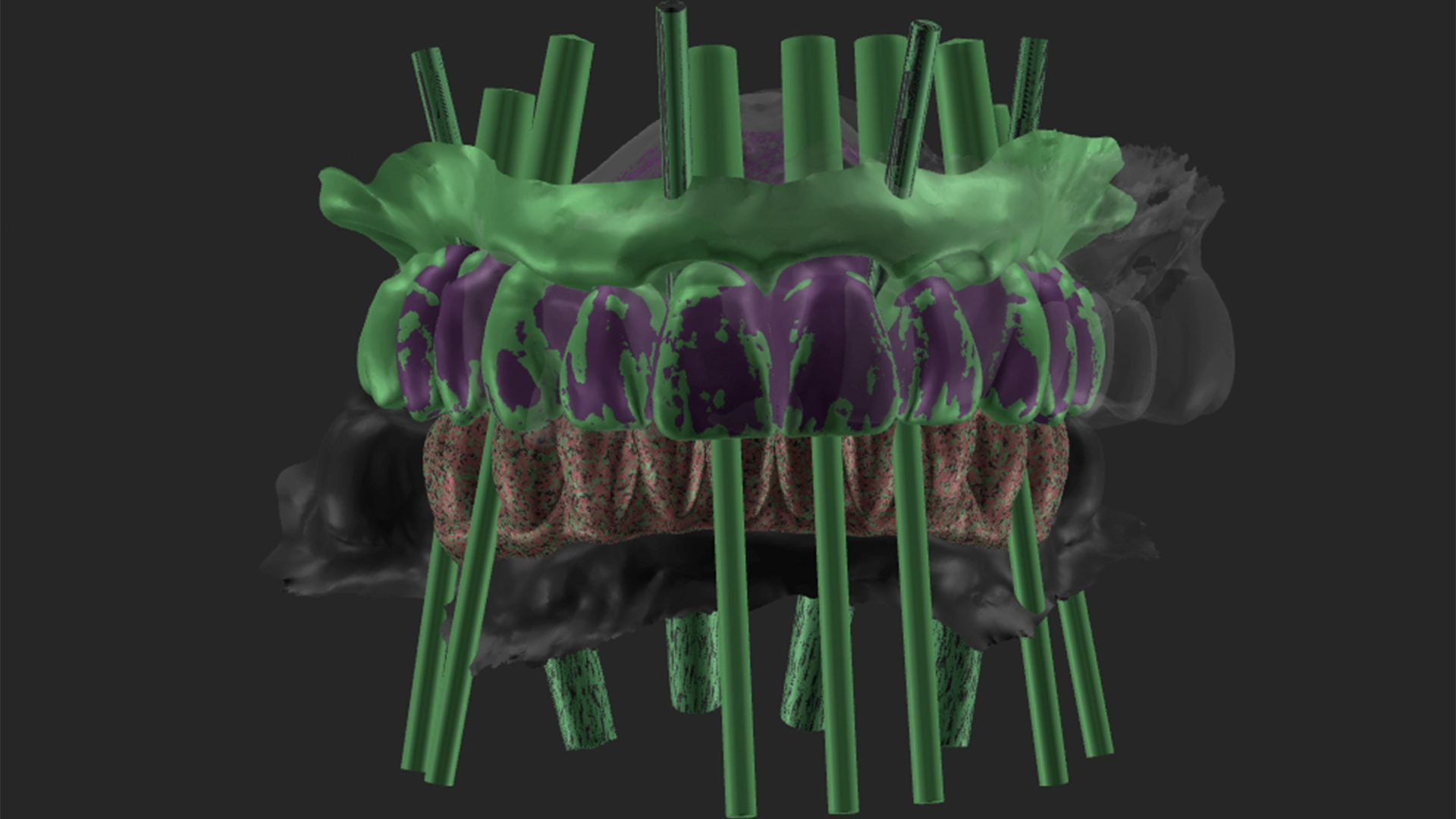
If implant-supported rehabilitation is appropriate, implant placement is planned according to your anatomy and the intended final restoration. Any necessary preparatory procedures are incorporated into the treatment sequence.
For selected patients, a temporary set of teeth may be provided during an early stage of treatment. However, this depends on factors such as primary implant stability, bone quality, bite forces and the overall clinical situation.
Immediate or early temporary teeth cannot be guaranteed for every patient. If the implants or surrounding tissues need time to heal before they can support a restoration, a different temporary solution or treatment sequence may be recommended.
Your clinician will explain the approach considered safest and most appropriate for your circumstances.
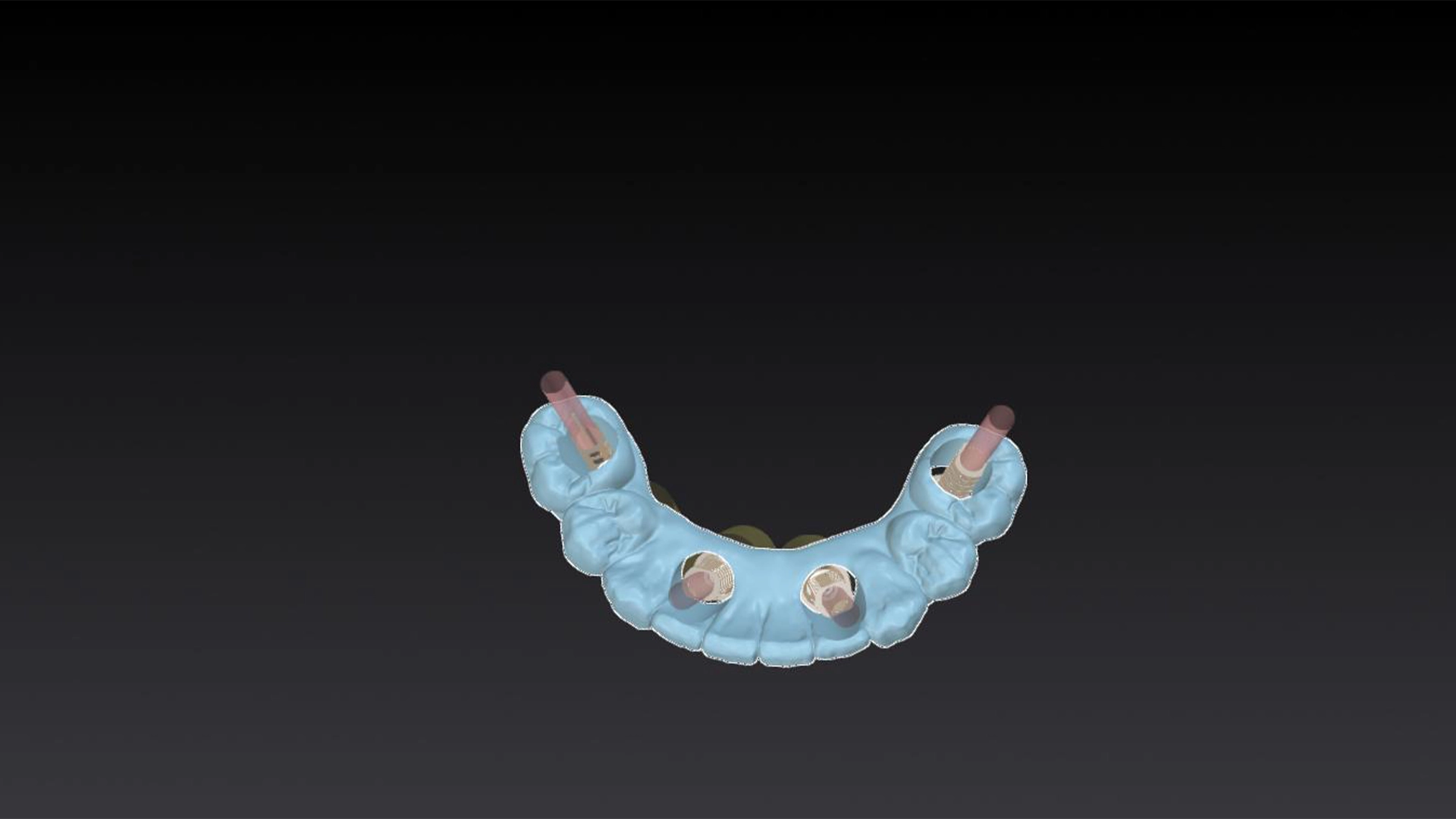
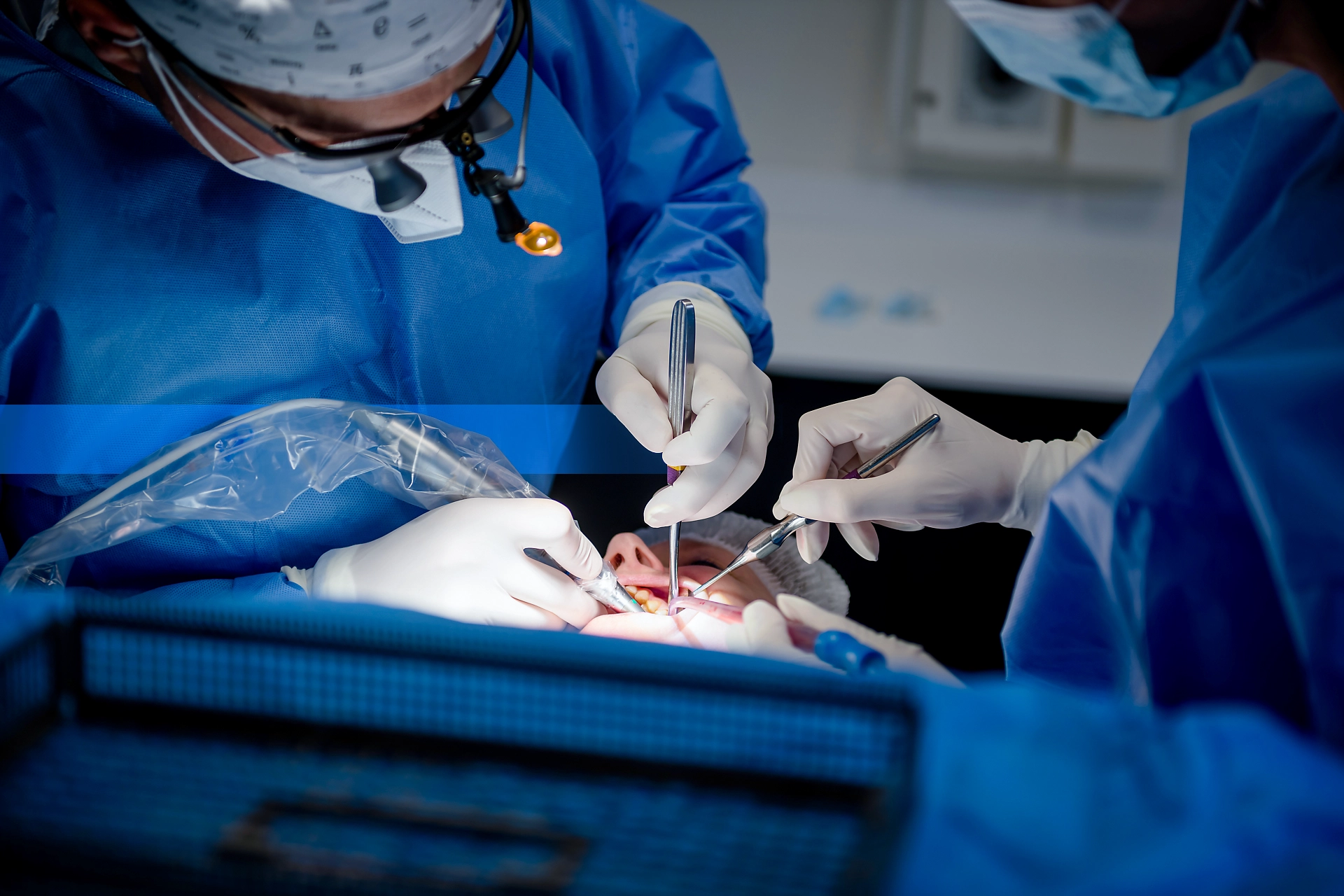
Following implant placement, a healing period allows the implants to integrate with the surrounding bone. The duration varies according to the procedure, the patient's healing response and whether additional treatment has been carried out.
Once the relevant clinical conditions have been met, the definitive restoration can be completed. Its fit, appearance, bite and function are assessed as part of the restorative process.
After completion, regular professional reviews and appropriate daily cleaning remain important. Your clinician will explain how to care for the restoration and the surrounding tissues, including the cleaning techniques and follow-up schedule relevant to your specific design.
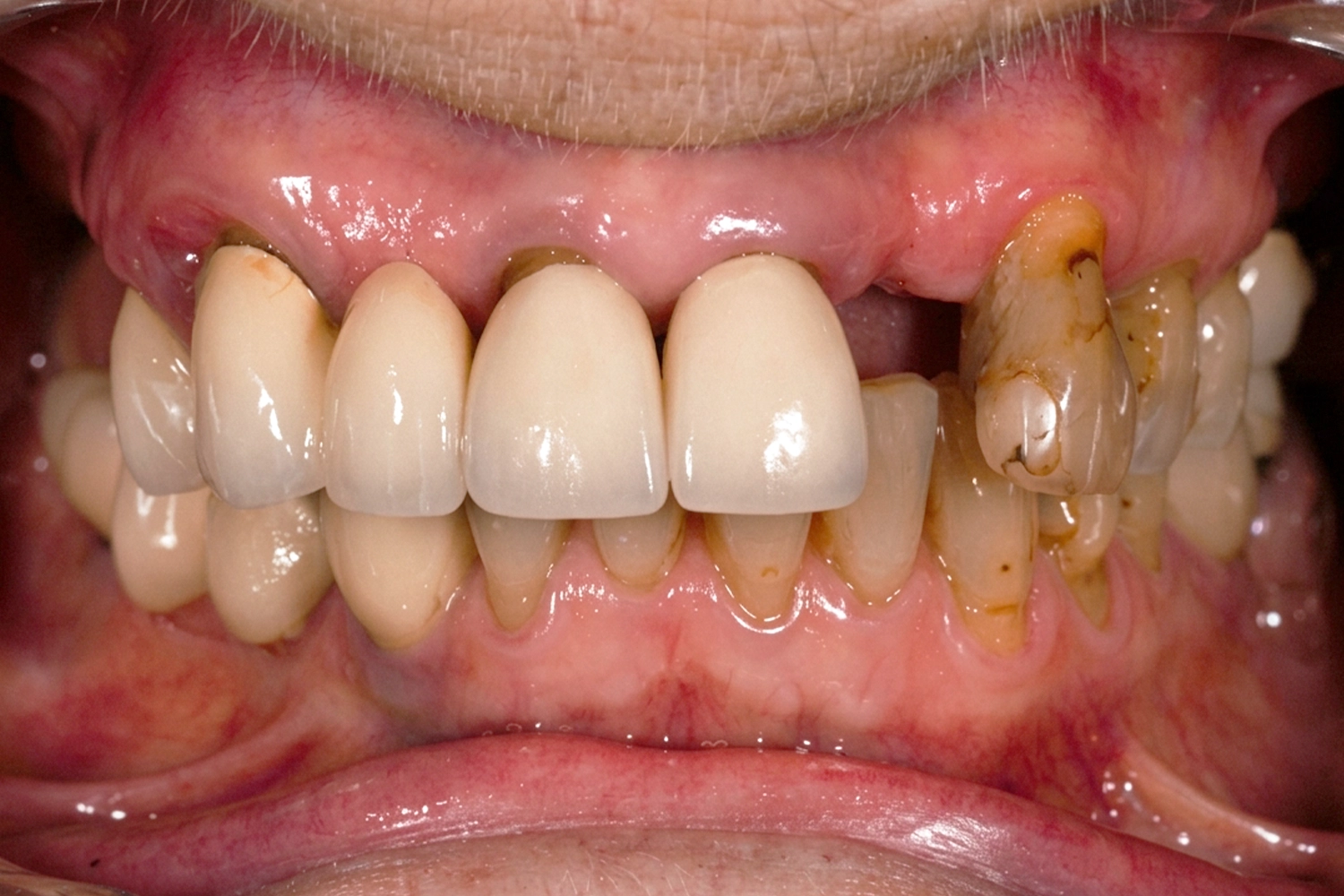
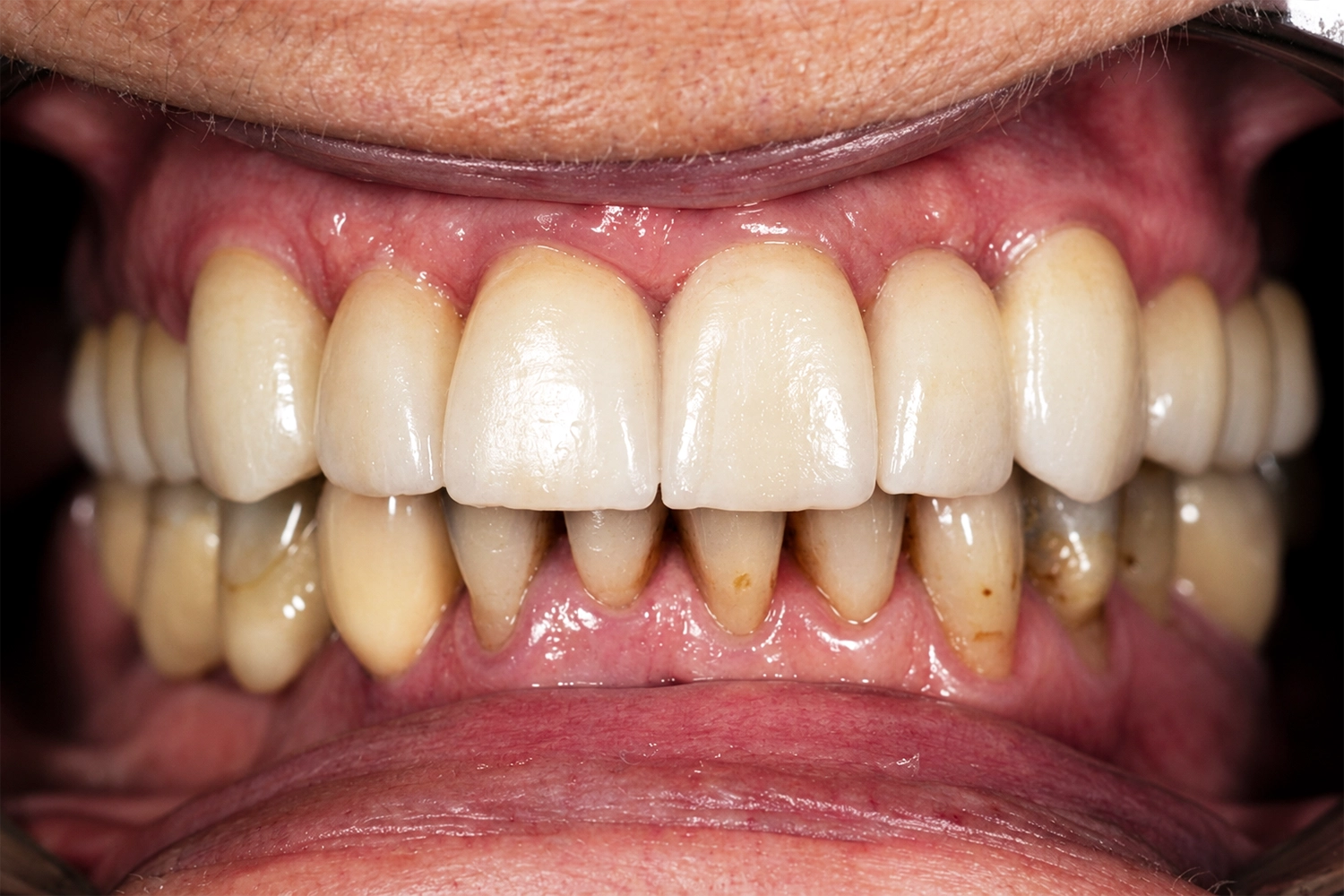
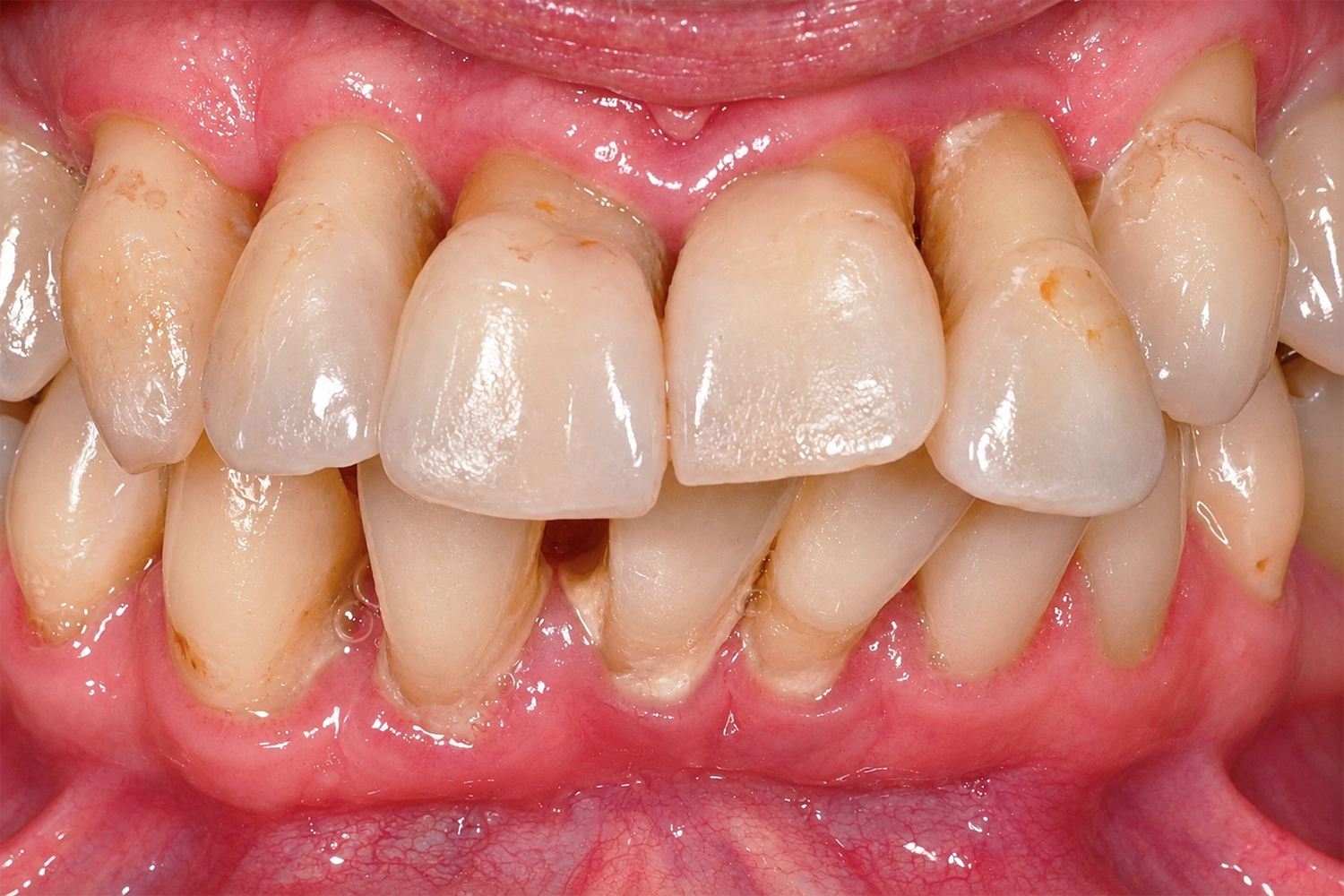
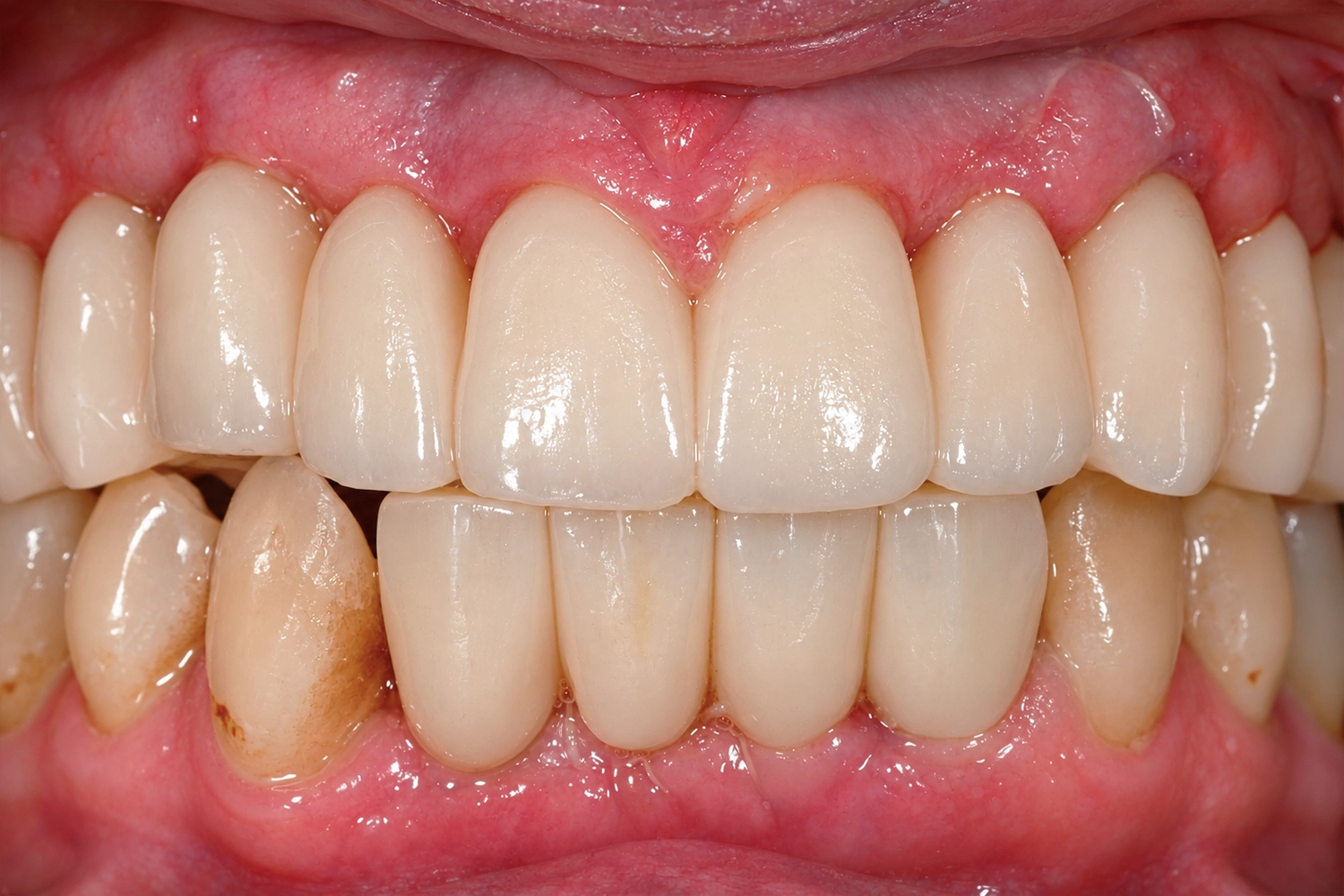
In complex implant treatment, understanding the relationship between the planned implant positions, the available bone and the final prosthetic design is particularly important.
X-Guide is a dynamic implant navigation system that provides the clinician with real-time visual guidance during implant placement. It can help the clinician follow a digitally planned trajectory while monitoring the position and orientation of the instruments.
Where appropriate, dynamic navigation may form part of the implant workflow for full-arch rehabilitation. Its role is to support procedural guidance; it does not replace clinical judgement, careful planning or the need to assess each patient's anatomy and suitability.
The cost of full-arch rehabilitation depends on the treatment required to restore your particular dental arch. Because the procedure involves several connected clinical and restorative decisions, an accurate estimate requires an individual assessment.
Factors that may influence the cost include:
Following your assessment, Sami can explain the proposed treatment, its main stages and the associated costs before you decide how to proceed.
Full-arch rehabilitation is a treatment approach designed to replace most or all teeth in the upper or lower jaw. Depending on the patient's clinical needs, it may involve a fixed set of teeth supported by dental implants or another suitable implant-supported restoration. Dr Sami El Masri assesses the condition of the teeth, gums, supporting bone and bite before recommending an appropriate treatment plan.
The cost of full-arch rehabilitation in Louvain-la-Neuve depends on the number of arches being treated, the number and position of implants required, the type of restoration and whether additional procedures, such as bone grafting or tooth extractions, are necessary. An individual assessment is needed to establish the appropriate treatment plan and its associated costs.
In selected cases, a temporary fixed restoration may be provided on the day of implant surgery. However, this depends on factors such as implant stability, bone quality, bite forces and the patient's overall clinical situation. Immediate temporary teeth are not suitable for everyone, and some patients need a different treatment sequence to allow adequate healing before the restoration is fitted.
The timeline varies according to the patient's oral health, the complexity of the case, whether additional procedures are needed and when the implants can support the definitive restoration. Some patients may receive temporary teeth early in treatment, while others need a longer healing period before their final teeth can be fitted. Dr Sami El Masri explains the expected stages and timeline following an individual assessment.
Bone loss does not automatically rule out full-arch implant treatment, but it can affect the available options. Depending on the location and extent of the bone loss, treatment may involve bone grafting, other preparatory procedures or an adapted implant plan. An individual clinical assessment is necessary to determine which approach is appropriate.
Yes, Dr Sami El Masri's practice in Louvain-la-Neuve can be an option for patients travelling from nearby areas of Walloon Brabant and beyond who are seeking full-arch rehabilitation. Patients from places such as Ottignies, Wavre, Gembloux, Nivelles and Waterloo can enquire about an assessment for extensive tooth loss, failing teeth or implant-supported full-arch restorations.