

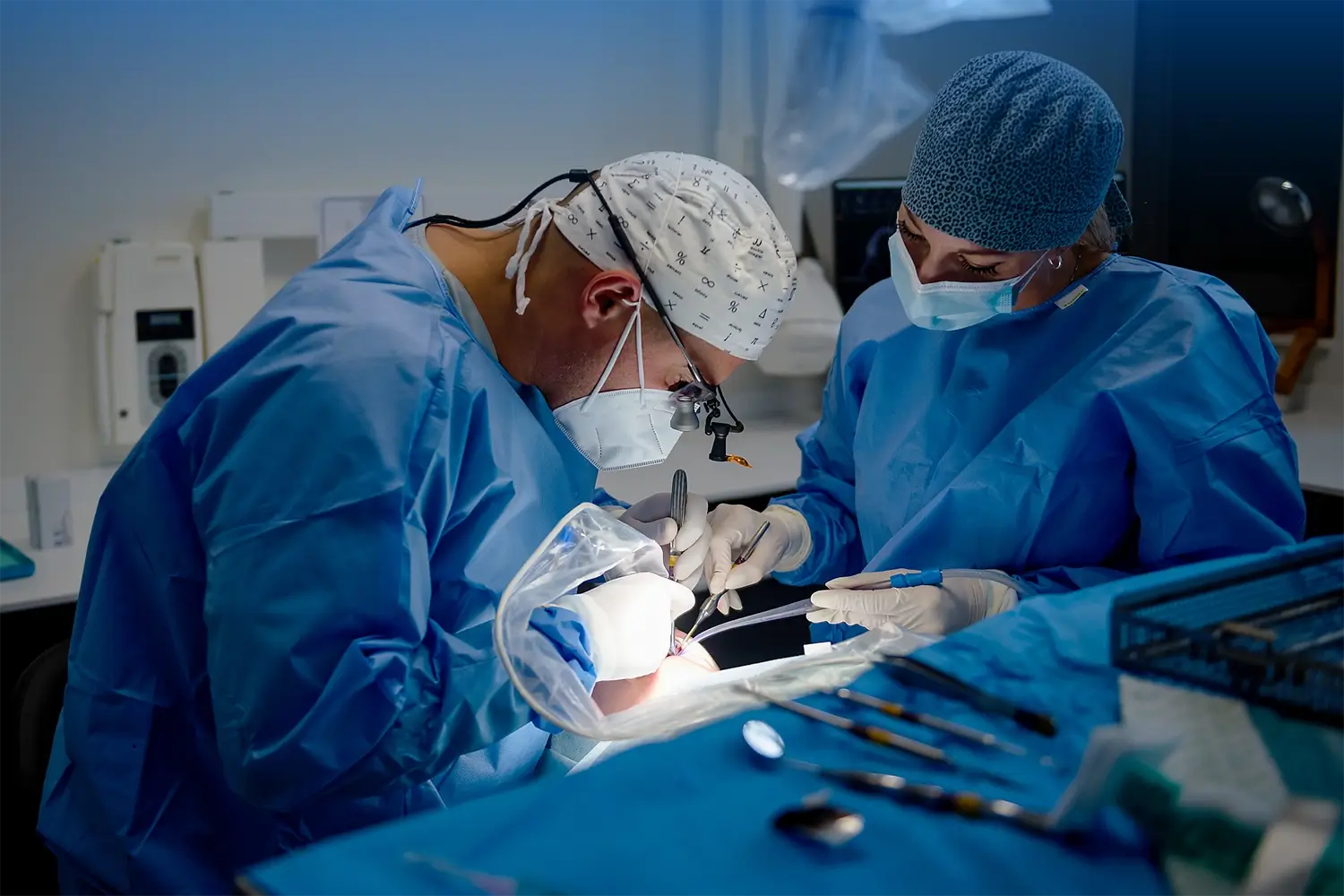

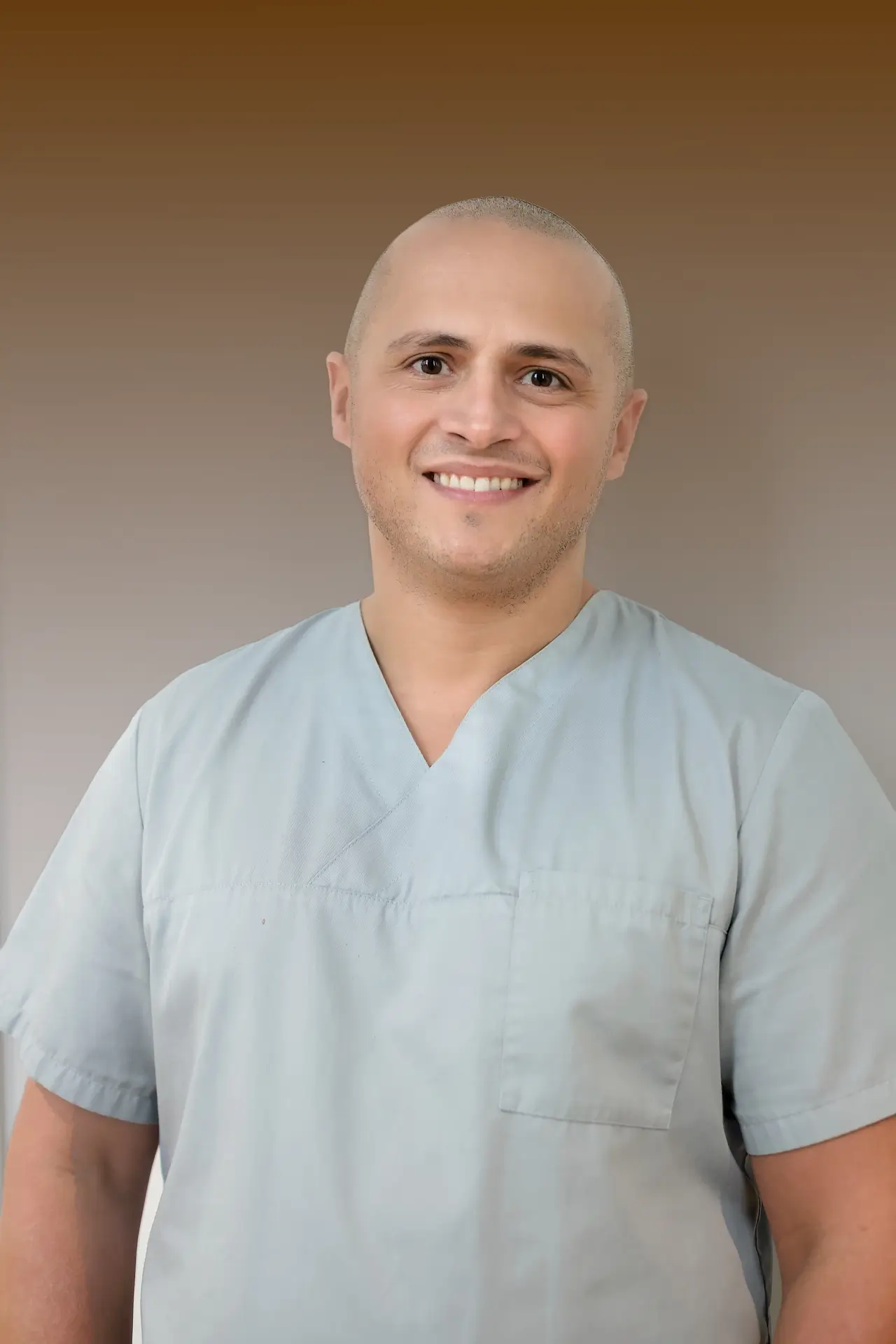

A tooth extraction with an immediate implant. Thank you to Mr Sami El Masri for his professionalism and for really listening to his patients. Clear explanations that put you at ease.
Martine Rossi · Google review
Specialist Dental Care
Specialist dental care focused on implantology, advanced rehabilitation and aesthetic dentistry, guided by precision and individual attention.
Pilates & Reformer
A considered approach to movement, built around individual needs, mindful practice and personal progression.
Two professionals. One shared vision.
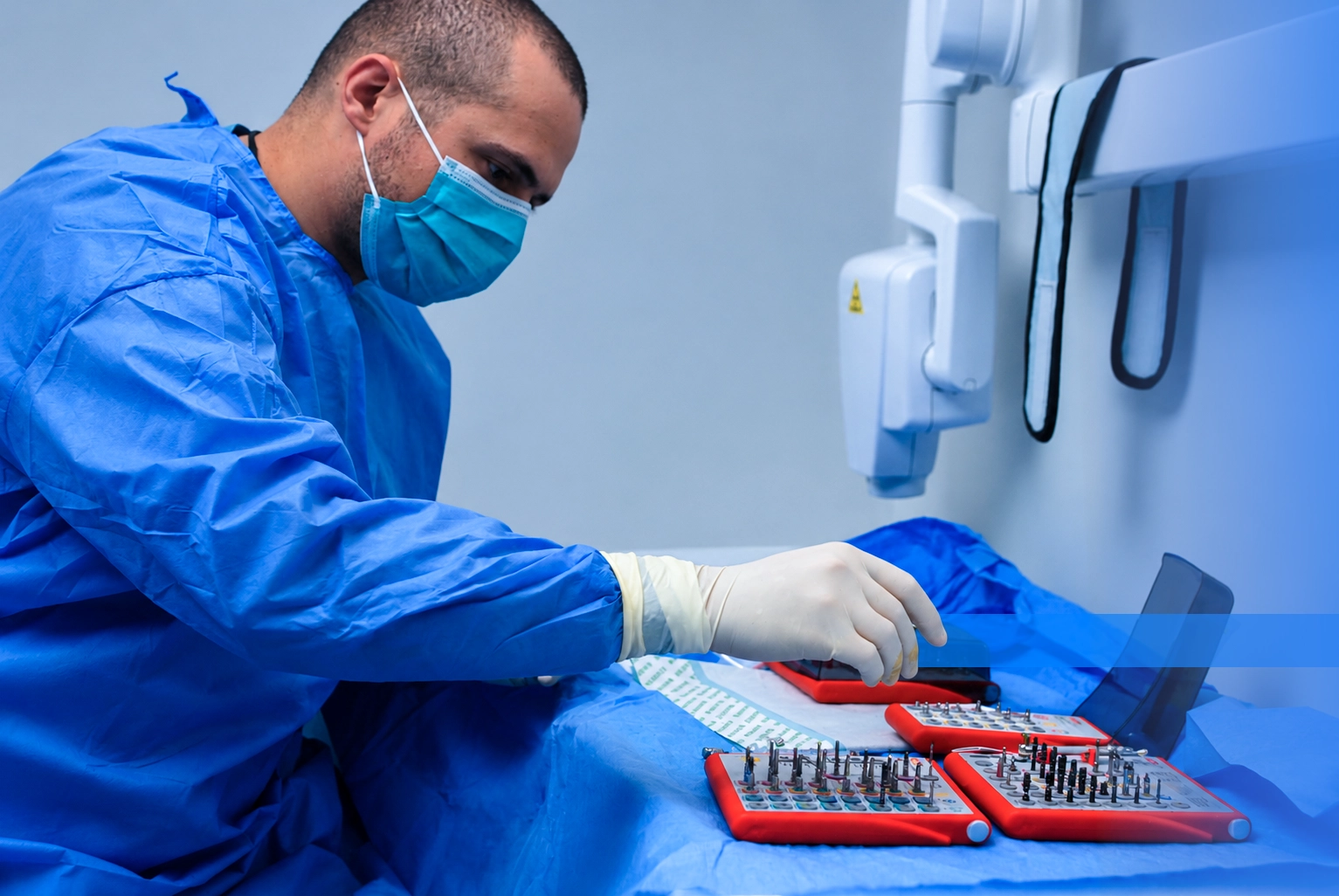
Successful dental implant treatment depends on more than the implant itself. The surrounding bone and gum tissue play important roles in supporting the implant, shaping the final restoration and maintaining oral health.
When bone volume is insufficient or the surrounding soft tissue requires improvement, additional procedures may be considered as part of an individual treatment plan. These can include bone grafting, soft tissue grafting and, in selected cases, a sinus lift.
Sami El Masri approaches these procedures as part of the wider restorative plan. The first step is to assess the condition of your mouth, understand the requirements of the intended restoration and determine whether additional treatment is necessary.
Not every patient needs a graft. When an additional procedure is recommended, its purpose is to address a specific clinical need and help establish suitable conditions for the next stage of treatment.
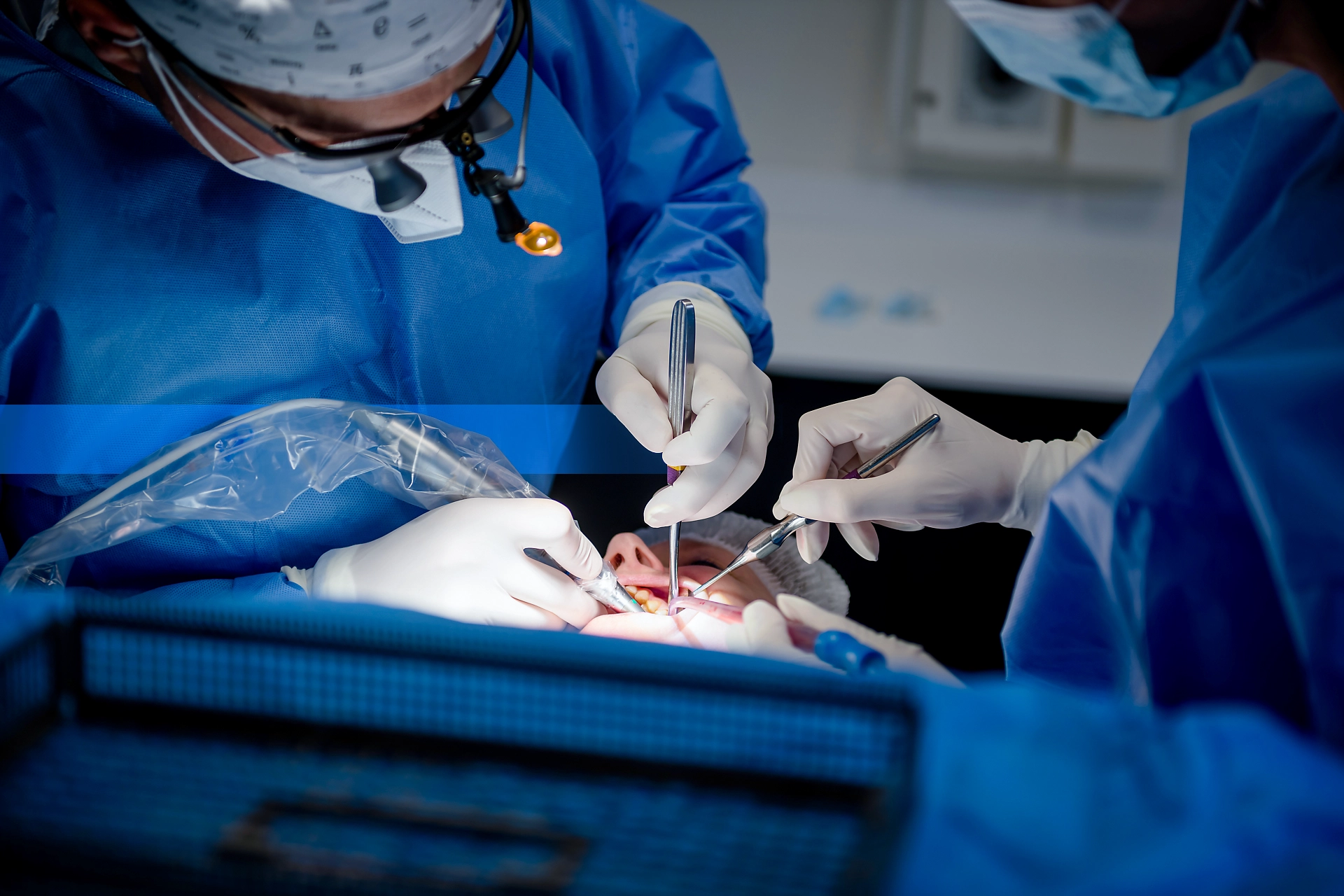
A tooth extraction with an immediate implant. Thank you to Mr Sami El Masri for his professionalism and for really listening to his patients. Clear explanations that put you at ease.
Martine Rossi · Google review
I was treated by Mr Sami El Masri (implants and bone reconstruction). I thank him for his professionalism and for listening to his patients. In short, I felt completely confident in his work.
Graas Benoit · Google review
A huge thank you to the team: Sami El Masri, Mélo…, Émile and the trainees. I expected to be in agony when I woke up, and there was no pain at all! Simply an exceptional team.
Sylvie Manshoven · Google review
The bone and gum tissue surrounding your teeth can change over time. Tooth loss, periodontal disease, previous dental procedures, trauma and natural anatomical differences may affect the amount or condition of the supporting tissues.
These changes do not automatically prevent dental implant treatment. However, they can influence where an implant can be placed, how the final restoration should be designed and whether additional treatment should be considered.
Bone and soft tissue grafting address different clinical needs. Bone grafting focuses on the supporting bone, while soft tissue grafting focuses on the gums and surrounding soft tissues. A sinus lift is a specialised procedure used to address limited bone height in the posterior upper jaw when the position of the maxillary sinus affects implant planning.
The recommendation depends on what your examination reveals. In some cases, implant treatment can proceed without grafting. In others, preparing the site first may provide a more suitable foundation for the planned restoration.
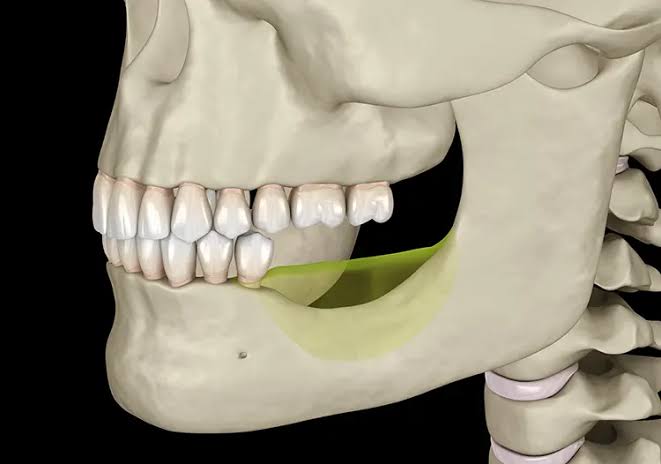
Bone grafting is a procedure used to increase or reconstruct bone volume in an area where the existing bone is insufficient for the intended treatment.
When a tooth is lost, the surrounding jawbone may gradually reduce in volume. Periodontal disease, infection, trauma or previous dental treatment can also contribute to bone loss. If the remaining bone does not provide suitable conditions for the planned implant, a bone graft may be considered.
The procedure involves placing an appropriate grafting material in the area requiring reconstruction. Depending on the case, the material may be derived from the patient's own bone, a processed donor source, an animal-derived source or a synthetic material. The choice depends on the clinical requirements and the treatment plan.
Over time, the grafted area undergoes healing and remodelling. The process and the degree of bone formation vary according to the material used, the size and location of the defect and individual healing factors.
Bone grafting may be considered when:
The aim is not to increase bone volume unnecessarily. It is to determine whether the existing anatomy can support the proposed treatment and whether additional bone reconstruction would be beneficial.
The procedure depends on the type and extent of the bone defect. After assessing the area and planning the treatment, the clinician accesses the site and places the selected grafting material where reconstruction is needed. A protective membrane may also be used in some procedures to support the healing environment.
The area is then closed and allowed to heal. Depending on the clinical situation, implant placement may be performed during the same procedure or scheduled for a later stage once sufficient healing has occurred.
Your treatment plan will explain which approach is appropriate and why.
Soft tissue grafting, commonly referred to as gum grafting, involves adding or repositioning tissue to address a specific deficiency in the gums or surrounding oral tissues.
The procedure may be considered when gum tissue is thin, when recession exposes part of a tooth root or implant surface, or when the amount or quality of tissue around an implant needs to be improved.
Depending on the clinical objective, tissue may be obtained from the patient's own mouth or another suitable source. Different techniques are available, and the choice depends on the location, the amount of tissue required and the desired clinical outcome.
Soft tissue grafting is not the same as bone grafting. Although both procedures may form part of implant treatment, they address different structures and serve different purposes.
Soft tissue grafting may be considered to:
The appropriate technique depends on the cause and location of the tissue deficiency. A graft cannot guarantee that recession will never return, nor can it eliminate every risk associated with implants or gum disease.
After examining the gums and identifying the treatment objective, the clinician selects a suitable technique and graft material.
Depending on the procedure, tissue may be placed over or alongside the area requiring treatment, secured in position and allowed to heal. Some techniques involve tissue taken from the patient's palate, while others may use an alternative suitable material.
During recovery, careful oral hygiene and adherence to the post-operative instructions are important. The treated area may be sensitive, and the precise healing period depends on the technique and individual circumstances.
The expected benefit, limitations and maintenance requirements should be discussed before treatment begins.
A sinus lift, also called sinus augmentation, is a bone grafting procedure that may be used when there is insufficient bone height in the posterior upper jaw to accommodate a planned dental implant.
The maxillary sinuses are air-filled spaces located above the upper back teeth. Following tooth loss, the bone in this region may become thinner, while the sinus may extend into the space previously occupied by the roots of the teeth.
When this leaves insufficient bone height for the intended implant, a sinus lift may be considered. The procedure gently elevates the sinus membrane and creates space for bone grafting material beneath it, allowing the area to heal and remodel.
A sinus lift is not necessary for every upper-jaw implant. Whether it is recommended depends on the available bone, the intended implant position and the overall restorative plan.
A sinus lift may be considered when:
Following an examination and appropriate imaging, the clinician can assess whether a sinus lift is indicated or whether another implant plan may be suitable.
The technique depends on the amount of bone available and the planned implant position. Broadly, two approaches may be considered.
The clinician accesses the sinus through a small opening in the side of the upper jaw, carefully elevates the sinus membrane and places grafting material beneath it.
When the clinical conditions are suitable, the sinus membrane may be elevated through the area prepared for implant placement, using an approach through the jawbone ridge.
The choice between these techniques depends on the available bone height, anatomy, the planned restoration and the clinician's assessment. Implant placement may be performed at the same appointment in selected cases or delayed until the grafted area has healed sufficiently.
Because the sinus membrane is delicate and the anatomy varies between patients, careful planning and appropriate technique are important. Your clinician will explain the recommended approach, its limitations and the possible alternatives.
These procedures may be considered for patients who:
A recommendation for grafting does not automatically mean that implant treatment is possible or that a particular procedure will be successful. The clinician must consider the patient's oral health, anatomy, medical history, healing factors and the requirements of the intended restoration.
In some cases, a different implant position, an alternative restoration or another treatment approach may be more suitable. These options should be discussed as part of the assessment.
The process varies according to the procedure and the condition of the tissues. In general, treatment follows three main stages.
The first stage is to examine the area and establish what needs to be addressed. This may involve assessing the teeth, gums, bone volume and relevant anatomical structures, supported by appropriate imaging.
If implant treatment is planned, the intended restoration is also considered. The clinician then explains whether bone grafting, soft tissue grafting, a sinus lift or no additional procedure is appropriate.
You will be informed about the recommended treatment sequence, the expected healing requirements and the estimated costs before proceeding.
The procedure depends on the type and extent of the tissue deficiency. Bone grafting may involve reconstructing the jawbone, soft tissue grafting may address the gums, and a sinus lift may increase the available bone height in the posterior upper jaw.
Some procedures can be combined with implant placement in selected cases. Others require the grafted area to heal before implants are placed.
The treatment plan will be tailored to the clinical findings rather than following the same sequence for every patient.
After the procedure, the treated area needs time to heal. The healing period varies depending on the technique, the extent of reconstruction and individual factors.
Follow-up appointments allow the clinician to monitor healing and determine when it is appropriate to proceed with the next stage. If implant placement is planned later, the timing depends on whether the area has developed suitable conditions for that procedure.
You will receive instructions on oral hygiene, activity restrictions where relevant, and how to recognise symptoms that require professional advice.
The cost depends on the procedure required and the complexity of the clinical situation. Bone grafting, soft tissue grafting and sinus lift procedures involve different techniques and treatment requirements, so there is no single price that applies to every patient.
Factors that may influence the cost include:
Following an individual assessment, Sami El Masri can explain the recommended procedure, its main stages and the associated costs before treatment begins.
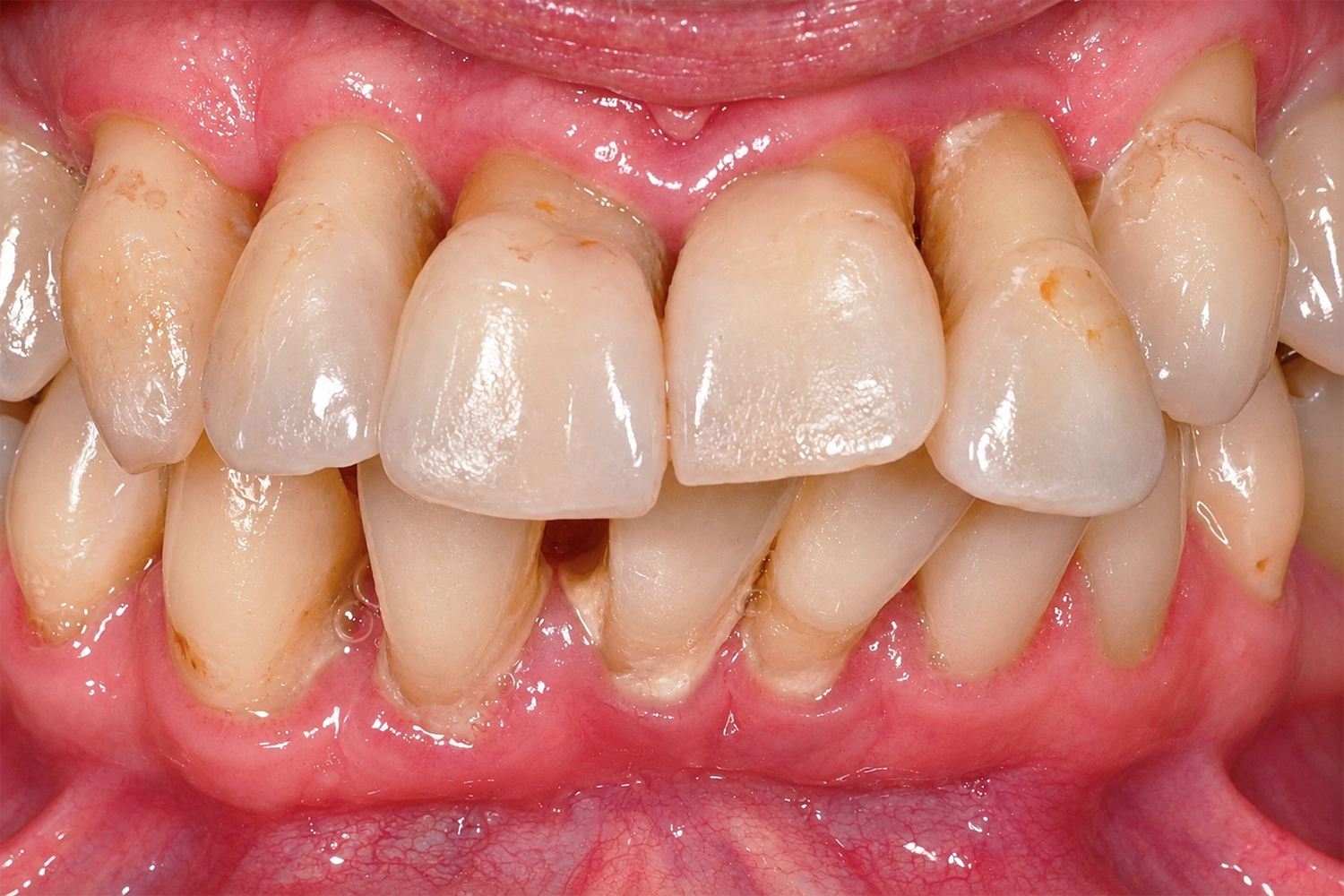
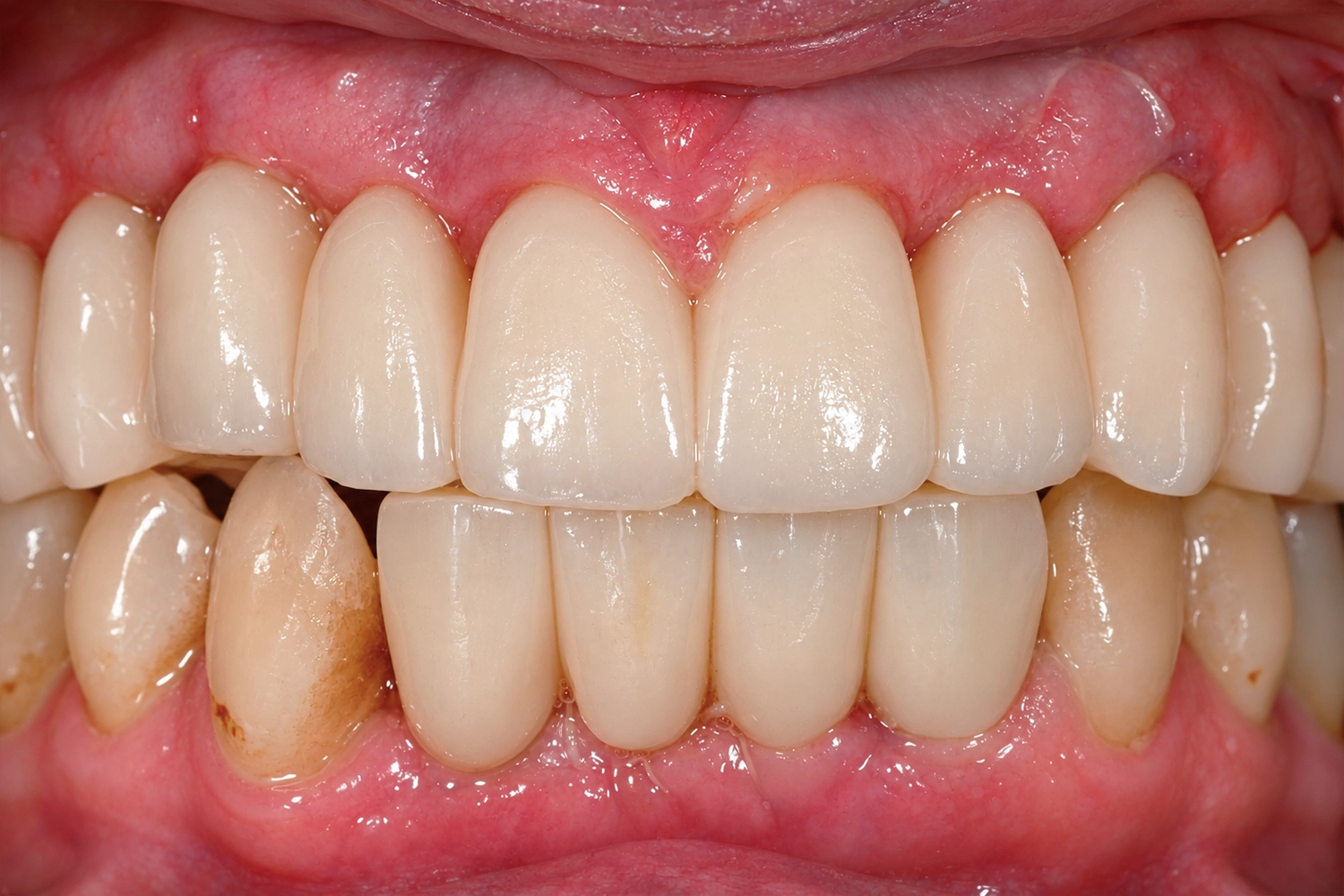
A bone graft may be recommended when there is insufficient bone volume to support the planned dental implant. Bone loss can occur following tooth loss, periodontal disease, infection or previous dental procedures. Depending on the location and extent of the deficiency, grafting may help create more suitable conditions for implant placement. However, not every patient needs a bone graft, and the recommendation depends on an individual clinical assessment.
Bone grafting aims to reconstruct or increase the volume of the jawbone when additional bone is needed for planned dental treatment. Soft tissue grafting, also known as gum grafting, focuses on the gums and surrounding tissues. It may be considered to address gum recession, increase tissue thickness or improve the soft tissue conditions around a tooth or dental implant. The two procedures address different clinical needs and may sometimes form part of the same treatment plan.
A sinus lift, also called sinus augmentation, is a procedure that may increase the available bone height in the upper back jaw when the maxillary sinus limits the space available for dental implants. During the procedure, the sinus membrane is gently elevated and grafting material may be placed beneath it. A sinus lift is not necessary for every upper-jaw implant; its suitability depends on the available bone, the intended implant position and the patient's anatomy.
Healing time varies according to the size and location of the bone defect, the grafting technique, the materials used and individual healing factors. Some patients may be suitable for implant placement during the same procedure, while others need a separate healing period before implants can be placed. Following an assessment, Sami can explain the expected treatment sequence and when the next stage may be appropriate.
Bone and soft tissue grafting procedures are generally performed under local anaesthesia. Some swelling, tenderness, bruising or discomfort may occur afterwards, depending on the procedure and its complexity. The recovery experience varies between patients, and no procedure can be guaranteed to be completely painless. Your clinician will explain the expected recovery, provide appropriate post-operative instructions and advise you on when to seek further assessment.
Sami sees patients at Clinique de la Source in Louvain-la-Neuve who require an assessment of bone or soft tissue deficiencies in preparation for dental implant treatment. Patients from nearby areas, including Ottignies, Wavre, Gembloux, Nivelles and Waterloo, can enquire about an individual consultation to determine whether bone grafting, soft tissue grafting or a sinus lift may be appropriate.